

Secondary Section
The Marcellin Way
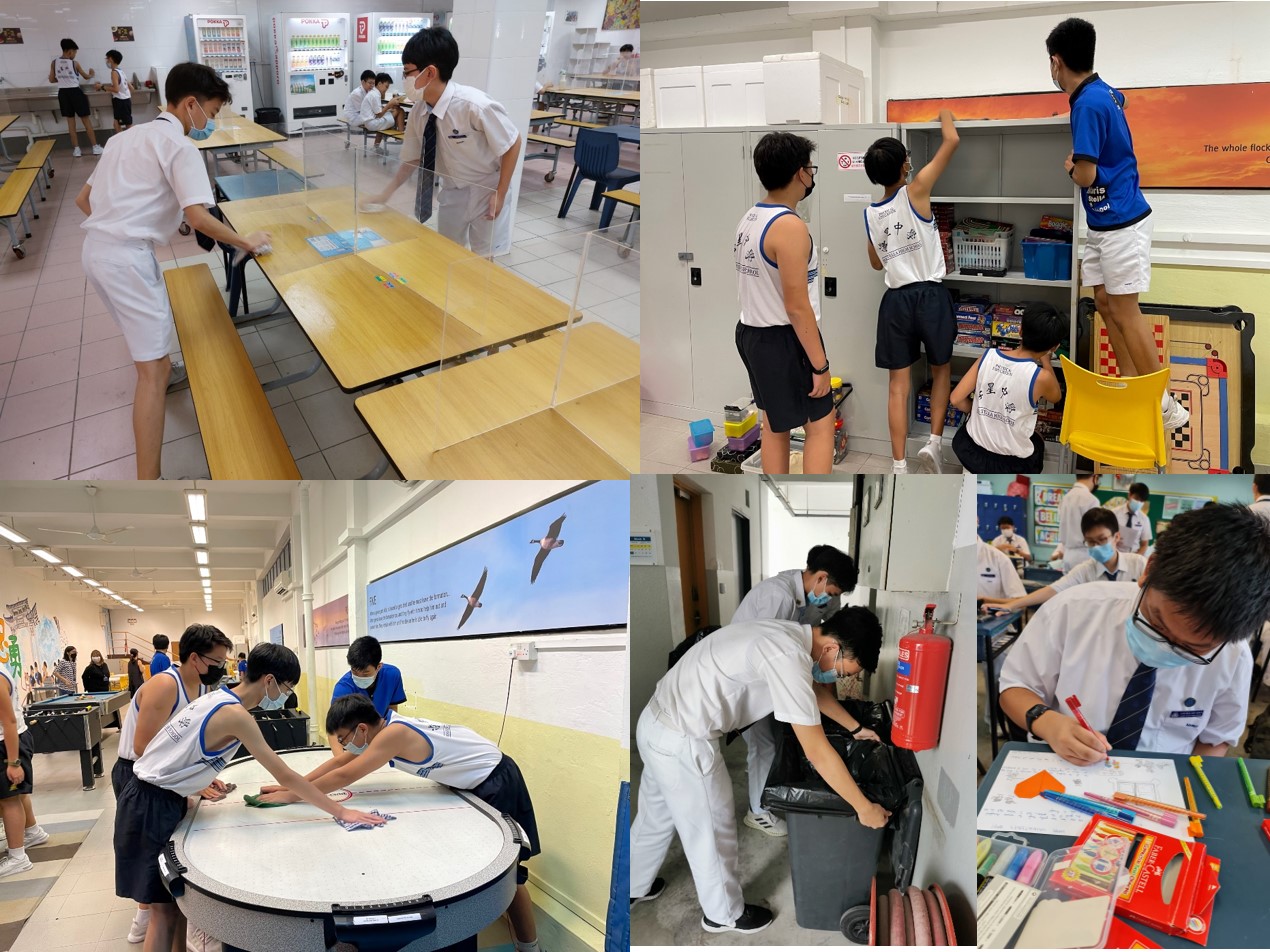
The Student Development Team plans and implements our 10-year Marcellin Way programme to achieve our Marist student outcomes. The Marcellin Way, anchored on Marist values and the Marist style of education, are experiences that seek to build the character of Marists. These values and qualities were expressed in the life and experiences of Saint Marcellin Champagnat who started the Marist Brothers in 1817. The effort and perseverance of our school’s founder Brother Chanel Soon and our early pioneers are immortalised in our school motto 勤 勉 忠 勇. Our Marist values and school motto continue to be relevant in an ever-changing and dynamic world. They define our philosophy, beliefs and approach to education. We teach our students with and about compassion and love, the cornerstone of our Catholic faith. Indeed, the Marcellin Way programme promotes in our students a life of Faith, Vision and Service to others.
There are two main programmes, namely Character and Citizenship Education (CCE) and Faith Formation. Through these two programmes, the authentic learning experiences aim to inculcate values and build competencies that will mould Marists to be good individuals, with the tenacity and adaptability to navigate the unknown future, and who are of service within school and the wider community.
To achieve these goals, the following programmes are offered:
CCE Curriculum
The CCE curriculum consists both weekly class-based CCE lessons, as well as key Student Development Experiences, which provide students with rich and authentic opportunities for CCE beyond the classroom.
Values in Action (VIA)
VIA experiences aim to develop Marists to become socially responsible citizens who contribute meaningfully to the community, through the learning and application of values, knowledge and skills via service activities and VIA project learning experiences.
To give greater focus to students acquiring values through service, Marists are encouraged to identify and understand the community issues, and initiate action among their peers to make a difference and improve the lives of others.
To provide opportunities for Marists to engage with various community sectors, each level has a different focus and experience:
Sec 1: Partnership with St. Theresa’s Home
Sec 1 students have the opportunity to plan interactive activities with the elderly and also support the home in cleaning.
Sec 2: Partnership with Geylang East Home for the Aged and St. Luke Eldercare
Sec 2 students have the opportunity to plan interactive activities, and most classes will also showcase what they have learned in Appreciation of Chinese Culture (ACC) lessons by putting up a festive drum performance for the seniors. Some classes will visit Geylang East Home for the Aged, while others will host seniors from St. Luke Eldercare in school.
Sec 3: Class-initiated projects with various community sectors
Sec 3 students have the autonomy to decide the community sector they would like to support. They are responsible for planning and executing the projects, with support and guidance from their Form Teachers. Past projects include supporting Willing Hearts, Al Islah Mosque during the month of Ramadan, and supporting the Blessing in Harmony initiative in Punggol.
Sec 4: Class-initiated projects with various community sectors
Sec 4 students are encouraged to continue their partnership with the community organization they supported in Sec 3. Some may decide to pursue other opportunities to help.
Education and Career Guidance (ECG)
Education and career guidance aims to nurture Marists’ self-awareness, self-directedness, and life skills to set realistic goals and continually learn and add value in their future workplace. It also enables Marists to explore viable education and career options through discussions of industry trends and developments in ECG lessons.
Key ECG experiences include the ECG Talk and Sharing, where our alumni return to school and share their ECG journey in secondary school, post-secondary education, and careers with our Sec 2 and Sec 4 students. The speakers focus on how they navigated these important moments in their lives. Selected Sec 3 Marists will take part in the job shadowing program, where they get to follow professionals at their workplace for 5 days and learn more about the skills they need in the work environment.
Cyber Wellness Education
Cyber Wellness Education focuses on the well-being of Marists as they
navigate cyberspace, helping them to be responsible digital learners. The
curriculum aims to equip them with the knowledge and skills to harness
the power of ICT for positive purposes, maintain a positive presence in
cyberspace and be safe and responsible users of ICT.
In addition to in-class lessons and discussions, the student leaders,
who are also advocates of cyber wellness, organise school-wide sharings
and activities to promote cyber wellness among their peers.
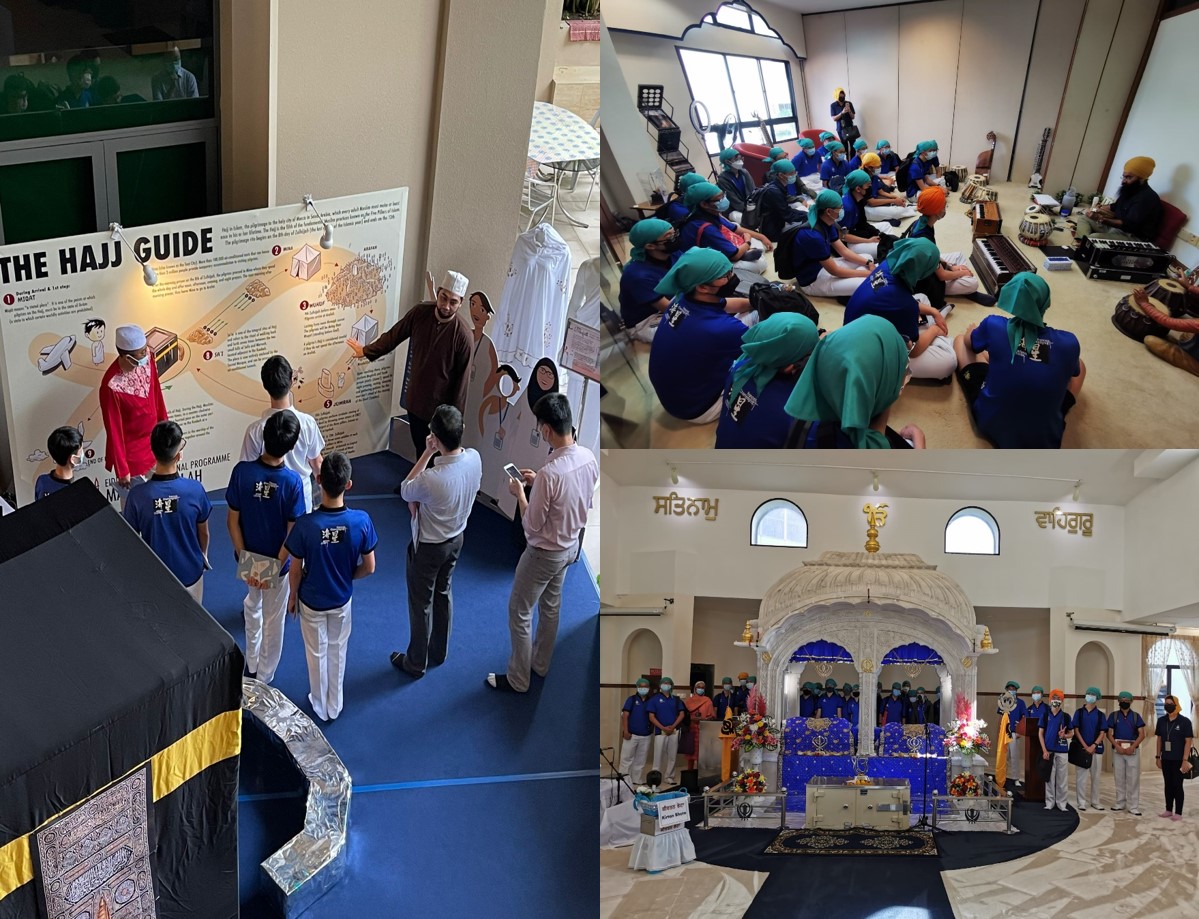
Understanding Different Faiths
Cohort Camps
A key boy-centric experience for all Marists is the Cohort Camps. Camps promote self-discovery and are good platforms for Marists to step out of their comfort zone, develop teamwork, resilience, and adaptability. The focus of each camp is different, tailored to meet the needs of Marists at each developmental stage. The Cohort Camps utilise a kinaesthetic boy-centric approach to ensure optimised learning. Secondary 3 Marists go through the nation-wide MOE Outward Bound Singapore (OBS) Challenge Programme, which provides them with the opportunity to interact with peers from other schools. Secondary 4 Marists go through a Youth Commitment Workshop to strengthen their mindset to overcome setbacks and motivate themselves towards success, equipping them with personal and life skills important for their future pathways.
Student Leadership
At MSHS, we believe that all Marists can be a leader based on his unique blend of abilities, dispositions and talents. As such, we belief that every Marist should be developed as a leader, to have the confidence and initiative to manage himself and make a positive difference to others, the community and the nation.
All Marist Student Leaders are encouraged to develop their leadership skills in order to support fellow students and to benefit the wider community. Opportunities to develop these qualities are provided through a range of learning experiences, both in their everyday school life and in targeted leadership programmes encouraging students to build their own sense of themselves as leaders keeping Marist values central.
Our student leaders are called to action each day, by being firmly grounded in the Marist values and the five practices of exemplary leadership, as Values-Driven, Service-Oriented Leaders of Faith, Vision and Service.
MOE Sexuality Education in Schools
1. Sexuality Education (SEd) in schools aims to enable students to understand the physiological, social and emotional changes they experience as they mature, develop healthy and rewarding relationships with others, including those with members of the opposite sex, and make wise, informed and responsible decisions on sexuality matters. SEd is premised on the importance of the family as the basic unit of society. This means encouraging healthy, heterosexual marriages and stable nuclear family units with extended family support. The teaching and learning of SEd is based on respect for the values and beliefs of the different ethnic and religious communities in Singapore on sexuality issues.
2. The Goals of Sexuality Education are to:
(a) Support students in managing their physiological, social and emotional changes as they grow up and develop safe and healthy relationships.
(b) Guide students to make wise, informed and responsible decisions on sexuality matters.
(c) Help students develop a moral compass and respect for themselves and others by having positive mainstream values and attitudes about sexuality that are premised on the family as the basic unit of society.
3. The Key Messages of Sexuality Education are:
(a) Love and respect yourself as you love and respect others;
(b) Build positive relationships based on love and respect (which are the foundation for strong families);
(c) Make responsible decisions for yourself, your family and society; and
(d) Abstinence before marriage is the best protection against STIs/HIV and unintended pregnancies. Casual sex can harm and hurt you and your loved ones.
You may click here more information on MOE Sexuality Education.
Overview of Maris Stella High School’s Sexuality Education Programme for 2026
4. Sexuality Education is delivered in a holistic manner through the school curriculum. The content for Sexuality Education is grouped into five main themes: Human Development, Interpersonal Relationships, Sexual Health, Sexual Behaviour, and, Culture, Society and Law. You may click here.) for more information on the scope of Sexuality Education in the school curriculum.
5. The subjects that incorporate topics on sexuality include:
a. Science
b. Character and Citizenship Education (CCE)
Sexuality Education Lessons:
6. The values and attitudes of our youth towards sexuality are increasingly shaped by their peers, exposure to the media, popular culture and the internet. Adolescence is a complex stage in life as the adolescent attempts to find his or her own identity and often struggles with new social relationships. The period of middle adolescence (generally from 15 – 17 years old) can be a turbulent period for adolescents. The gap between physical and emotional/cognitive maturity may result in a tendency to act on impulse, experiment with various activities (including sexual activities), sometimes without understanding the unpleasant consequences that may arise from such experimentation. The need for peer acceptance can be overwhelmingly strong and hinder one’s ability to act responsibly. Given the pressures faced by the middle adolescent from within themselves and from peers, it is important to build a strong sense of self-worth, personal conviction and an understanding of the possible consequences of sexual behaviour.
7. Through the Sexuality Education lessons, secondary students will have the opportunity to develop a positive self-esteem, develop their character, and expand their understanding and repertoire of skills to deal with various issues related to sexuality, which are of prime concern at this age.
At Maris Stella High School, the following Sexuality Education lessons will be taught in 2026: 2026 Sexuality Education Lessons in CCE
eTeens Programme:
8. eTeens is a programme that was developed by Health Promotion Board, in collaboration with the Ministry of Education, to provide Secondary 3 students with accurate information on STIs, HIV and protection from a health perspective. With the formation of the Communicable Diseases Agency (CDA) on 1 April 2025, the programme would now be managed by CDA’s Training and Education Division instead of HPB. eTeens is conducted in two segments – a mass talk segment and a classroom-based programme. The desired outcome of the eTeens programme is that students are empowered to make wise, informed and sensible decisions to protect themselves from sexually transmitted infectious diseases.
9. Students are taught skills such as decision-making, assertiveness and negotiation to say “no” to sex and negative peer pressure. They also learn that the impact of STIs/HIV extends beyond themselves and involves their family, and the importance of responsible decision-making and seeking help. Abstinence and upholding family values are the key messages.
At Maris Stella High School, the eTeens programme will be implemented as follows in 2026:
|
Topics/Lessons |
Programme Learning Objectives |
Time Period |
|
Mass Talk delivered through a pre-recorded video |
a) Sexually transmitted infectious diseases (STIs and HIV): what it is, how it spreads, how to prevent infection mainly through ABC (abstinence, being faithful, correct, and consistent condom use), consequences and impact b) Skills for respecting boundaries (e.g. decision-making, assertiveness, negotiation to say ‘no’ to peer pressure) c) Managing relationships and risky situations in a healthy way, including avenues for help-seeking. |
Term 2 Week 5 |
|
Classroom-based Lesson |
|
Term 2 Week 6 |
Information for Parents
10. Parents may opt their children out of the Sexuality Education lessons, eTeens and/or supplementary sexuality education programmes by MOE-approved external providers.
11. Parents who wish to opt their children out of the Sexuality Education lessons need to complete an opt-out form. This form will be communicated to parents at the start of the year and is also available here. The completed form is to be submitted by 02/02/2026.
12. Parents who wish to opt their children out of the eTeens programme need to complete an opt-out form. This form will be communicated to parents at the start of the year and is also available here. The completed form is to be submitted by 02/02/2026.
13. Parents can contact the school at msh@moe.edu.sg for discussion or to seek clarification about the school’s Sexuality Education programme.